
Choosing the right loan can feel overwhelming—especially when there are so many options available. Each type of loan serves a different purpose, comes with different costs, and fits certain financial situations better than others.
This guide breaks down the 7 most common types of loans, how they work, and how to decide which one is right for you.
1. Personal Loans
Best for:
✔ Debt consolidation
✔ Medical bills
✔ Big purchases
✔ Emergencies
✔ Travel or events
How they work:
Personal loans are usually unsecured, meaning you don’t need collateral. You borrow a fixed amount and repay it in monthly installments over 1–7 years.
Pros:
- Flexible use
- Fast approval
- No collateral required
Cons:
- Higher interest if you have poor credit
- Fixed repayment schedules
2. Auto Loans
Best for:
✔ Buying a new or used vehicle
How they work:
Auto loans are secured loans, meaning the car itself is the collateral. If you don’t pay, the lender can repossess the car.
Pros:
- Lower interest rates
- Longer repayment terms (3–7 years)
Cons:
- Car depreciation
- You may owe more than the car’s value over time
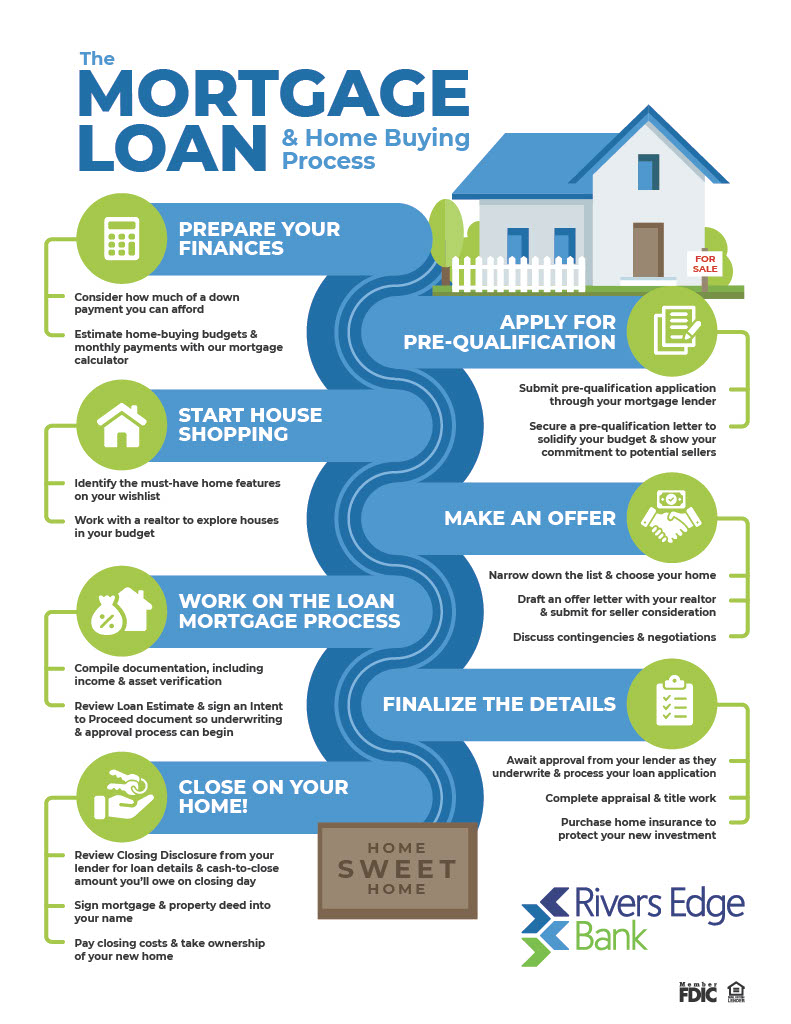
3. Mortgage Loans


Best for:
✔ Buying a home
✔ Refinancing existing home loans
How they work:
Mortgages are long-term loans (15–30 years) secured by the home you buy. Common types include conventional, FHA, VA, and jumbo loans.
Pros:
- Lowest interest rates of all major loans
- Long repayment terms
Cons:
- Requires good credit
- Large down payments often needed
- Risk of foreclosure
4. Student Loans
Best for:
✔ Paying for college, university, or trade school
How they work:
Student loans can be federal (government-backed) or private. Federal loans usually have better rates and protections.
Pros:
- Lower rates for federal loans
- Flexible repayment (income-based options)
- No credit required for most federal loans
Cons:
- Private loans may be expensive
- Long repayment periods
5. Business Loans
Best for:
✔ Starting or expanding a business
✔ Equipment purchases
✔ Cashflow needs
How they work:
Business loans include term loans, SBA-backed loans, lines of credit, and equipment financing.
Pros:
- Builds business credit
- Helps with large investments
Cons:
- Requires strong documentation
- Higher rejection rates for startups
6. Home Equity Loans & HELOCs
Best for:
✔ Home improvements
✔ Debt consolidation
✔ Large expenses with lower interest
How they work:
You borrow against your home’s equity:
- Home Equity Loan: fixed amount + fixed rate
- HELOC: revolving line of credit (like a credit card)
Pros:
- Lower interest rates than personal loans
- Large borrowing power
Cons:
- Home used as collateral
- Risk of foreclosure if you default
7. Payday & Short-Term Loans
Best for:
✔ Emergency cash (only as a last resort)
How they work:
These loans offer fast cash with extremely high interest (sometimes 300%+ APR). They must be repaid quickly—often by your next paycheck.
Pros:
- Instant access to money
- No credit check
Cons:
- Very high fees and interest
- Can lead to debt cycles
How to Choose the Right Loan
Here’s a simple decision framework:
1. What do you need the money for?
- Home? → Mortgage
- Car? → Auto loan
- Education? → Student loan
- General expenses? → Personal loan
2. Do you have collateral?
- Yes → mortgage, auto loan, home equity
- No → personal loan, federal student loans
3. What’s your credit score?
- High score → better rates, more options
- Low score → secured loans or credit-builder strategies
4. How fast do you need the money?
- Urgent → personal loans or (carefully) short-term loans
- Not urgent → mortgages, auto loans, student loans
5. How much can you afford monthly?
Always calculate your total loan cost, not just the monthly payment.
Quick Summary Table
| Loan Type | Secured? | Best For | Interest Levels | Risk |
|---|---|---|---|---|
| Personal | No | General use | Medium–High | Lower |
| Auto | Yes | Car purchase | Low–Medium | Repossession |
| Mortgage | Yes | Home purchase | Low | Foreclosure |
| Student | Usually No | Education | Low–Medium | Long-term debt |
| Business | Depends | Business funding | Medium | Business liability |
| Home Equity | Yes | Home improvement, big expenses | Low | Home risk |
| Payday | No | Emergency only | Very High | Debt trap |
Final Thoughts
Each loan exists for a purpose, and choosing the right one depends on your financial goals, credit profile, and how quickly you need the funds.
When used wisely, loans can help you grow—buy a home, advance your education, or strengthen your business.
When used carelessly, they can create long-term financial stress.
If you compare options, understand the costs, and borrow responsibly, you’ll always choose the right loan for your situation.