
Debt consolidation loans are often marketed as a simple solution for overwhelming debt — one payment, one interest rate, one plan.
But while consolidation can be a smart financial move, it also comes with hidden risks many borrowers don’t realize until it’s too late.
This article breaks down everything you need to know so you can decide confidently whether debt consolidation is the right move for you.
What Is a Debt Consolidation Loan?
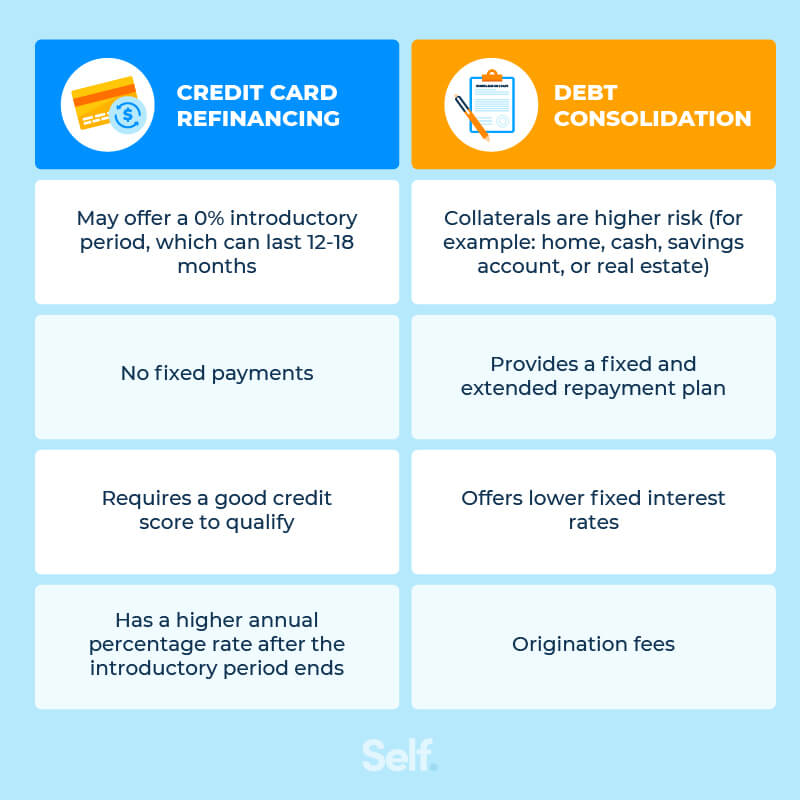
A debt consolidation loan combines multiple debts (like credit cards, medical bills, or personal loans) into one new loan with:
- A single monthly payment
- A fixed repayment schedule
- Often a lower interest rate
It’s designed to simplify your finances and potentially reduce what you pay.
How Debt Consolidation Works


Here’s the basic process:
- You apply for a new loan.
- If approved, the lender pays off your existing debts or gives you the funds to do it yourself.
- You repay the new loan in fixed installments over time.
When Debt Consolidation Is a Smart Move
Debt consolidation can be a great financial strategy—but only in certain situations.
1. When You Can Lower Your Interest Rate
If you’re paying:
- 18–29% credit card APR
- 12–18% personal loan APR
…and you qualify for a 7–12% consolidation loan, you’ll save a lot of money.
2. When High Monthly Payments Are Overwhelming
Consolidation stretches your repayment over a longer period, lowering your monthly payment (but sometimes increasing total interest).
3. When You Want a Clear, Structured Plan
Fixed payments help with budgeting, unlike revolving credit card balances.
4. When You’re Committed to Not Adding New Debt
If you stop using your credit cards and stick to the plan, consolidation can help you reset your financial life.
Hidden Risks You Should Watch Out For
Debt consolidation isn’t always the magic fix it seems. Here are the dangers lenders don’t always highlight.
1. Lower Monthly Payment = Longer Repayment
You may pay less each month, but pay more overall due to extended terms.
2. You Could End Up in More Debt
This is the biggest risk.
If you pay off your credit cards and then use them again, you’ll end up with:
- A consolidation loan plus
- New credit card balances
This creates a debt spiral.
3. Fees Can Cancel Out Savings
Watch out for:
- Origination fees
- Balance transfer fees
- Early payoff penalties
These can make consolidation more expensive.
4. Rates Aren’t Guaranteed to Be Lower
If your credit score isn’t strong, your consolidation loan rate could be higher than your current debts.
5. Home Equity Loans Add Foreclosure Risk
Some people consolidate using:
- Home equity loans
- HELOCs
These have great rates but put your home at risk if you can’t pay.
Should You Consolidate Your Debts? A Quick Checklist
Answer YES or NO to each:
✔ Are your current interest rates high?
✔ Can you qualify for a lower-rate loan?
✔ Can you commit to not taking on new debt?
✔ Is a single monthly payment helpful for you?
✔ Do you have stable income?
If you answered mostly YES, consolidation can be a smart move.
If mostly NO, consider alternatives below.
Smart Alternatives to Debt Consolidation
1. Snowball Method
Pay smallest debts first for motivation.
2. Avalanche Method
Pay highest-interest debts first for maximum savings.
3. Negotiating With Creditors
Some lenders will lower rates or waive fees if you ask.
4. Credit Counseling or DMP (Debt Management Plan)
A nonprofit negotiates rates for you — often 0–10% interest.
5. Balance Transfer Credit Cards
0% APR for 12–18 months (if you qualify).
Pros & Cons Summary
Pros
- Lower interest potential
- One predictable payment
- Less stress
- Faster payoff (if rate improves)
Cons
- Possible higher long-term cost
- Risk of taking on more debt
- Fees may apply
- Requires strong credit for best rates
Final Verdict: Smart Move or Hidden Risk?
✔ A smart move
If you have good credit, high-interest debts, and the discipline to avoid new debt.
✘ A hidden risk
If you struggle with overspending, can’t qualify for a good rate, or might continue relying on credit cards after consolidating.
The bottom line:
Debt consolidation is a tool — not a solution.
Used wisely, it can save money and simplify your financial life.
Used poorly, it can make debt problems worse.